

 English
Just Breathe
Breathing is a basic life function taken for granted until it becomes difficult. In the last five years or so, many of us have developed a newfound appreciation for our lungs and breathing. Respiratory illness can really take its toll and remind us just how important lung function is.

Getting Familiar with the Respiratory System
The respiratory system includes the nose and sinuses, throat (pharynx), voice box (larynx), trachea, bronchi, bronchioles, alveoli, lungs, and diaphragm. When we inhale, these structures all work together to filter and bring oxygen into our lungs, where it can then be carried through the blood and used by our cells. They also work together to expel carbon dioxide and metabolic byproducts when we exhale.
One of the most common ways that the respiratory system becomes impaired is through viral infections that often lead to colds, flus, or—as we’ve all become too familiar with—the coronavirus. Bacterial or fungal infections are also possible and can lead to conditions like strep throat, sinusitis, or pneumonia. Infections can impact the upper respiratory tract (nose, sinuses, pharynx) or lower respiratory tract (bronchus, bronchioles, and lung tissue), making it harder to get fresh oxygenated air for our cells and organs to function at their best. Upper respiratory–tract infections tend to be less severe than lower respiratory tract infections.

How to Prevent Respiratory Infections
Keeping a strong immune system, especially as the seasons change, is a great way to prevent respiratory infections and help recover from them too. Being outside in nature is a great way to get fresh air into the lungs. Daily movement and exercise to get the heart pumping and blood flowing helps support the lymphatic system in clearing out pathogens or toxins. Spending time gardening or enjoying fermented foods introduces beneficial probiotics that help strengthen your immune system by crowding out harmful microbes. Optimizing nutrition helps keep your energy up and body strong. Getting lots of sunshine and vitamin D is another great way to support the immune system.
Did you know that chronic stress can suppress the immune system?[1] Stress-management tools can benefit your immune system as well. Many of the supportive strategies I previously mentioned help cope with stress. If you are feeling overwhelmed, run down, or are anticipating a situation where you will be exposed to illness, echinacea can be a great support. Research supports its efficacy in reducing the duration and frequency of the common cold,[2] and it has been investigated for its use in lower respiratory–tract infections as well.[3]
How to Recover Efficiently
Optimal recovery support depends on many factors, and it is recommended to consult with your health-care practitioner to determine the best approach. Generally, many of the strategies for preventing respiratory infections can also help in recovering from them. For example, incorporating nutrient-dense, easy-to-digest foods with lots of fluids, like soup or bone broth, can help the body clear mucus buildup and support recovery. Gentle movement—like stretching, yoga, or qi gong—can be helpful for circulation. Movements that involve stretching or opening the chest, deep breathing that actively engages the diaphragm, and tapping or massaging the chest and back can help clear things out too.
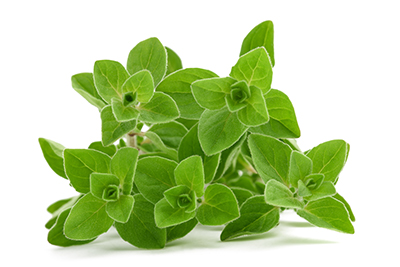
For herbal support, plants like mullein, lobelia, or colt’s foot are traditionally used to benefit the respiratory system; however, these are potent botanicals best used at appropriate doses and for short durations under the supervision of a health-care practitioner to ensure safety and avoid interactions. In comparison, herbs like oregano, goldenseal, barberry, and mugwort are generally well tolerated and traditionally valued for their antimicrobial properties, though informed use regarding dose, duration, and individual considerations remains important.
Optimal vitamin D levels also help support the respiratory system. Vitamin D deficiency has been linked to lower lung function,[4] so if you are someone who frequently gets respiratory infections or if you are having difficulty recovering from one, it may be a good idea to look at your vitamin D levels, spend some time in the sun, and supplement as necessary.
Another supplement worth discussing with your naturopathic doctor is N‑acetylcysteine (NAC). NAC is a precursor to glutathione, which is a strong antioxidant that can help with inflammation and detoxification.[5] In my practice, I have found NAC to be quite helpful in making breathing a little easier, especially when there is chest congestion involved.
Making Space for Acupuncture
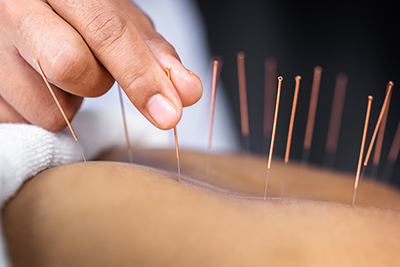
Acupuncture is a modality I have seen to be quite effective in supporting recovery, especially for the long-haulers who have chronic symptoms like decreased endurance, brain fog, loss of taste or smell, or mood changes. Research supports its efficacy in treating neurological and neuropsychiatric symptoms of long COVID like headache, cognitive impairment, fatigue, insomnia, and depression.[6] If you are experiencing long-lasting symptoms that don’t seem to be improving, this is treatment worth exploring with your naturopathic doctor, acupuncturist, or traditional Chinese medicine practitioner.
Respiratory Recovery Checklist
Hydration and Nutrition
- Warm fluids, soups, and broths to support mucus clearance
- Nutrient-dense, easy-to-digest foods
Gentle Movement and Breathing
- Light stretching, yoga, or qi gong
- Chest-opening movements and slow, diaphragmatic breathing
- Gentle chest or back tapping to help loosen congestion
Targeted Nutrient Support
- Maintain healthy vitamin D levels
- Support antioxidant status through diet or supplementation
- Discuss NAC with a health-care practitioner for chest congestion support
Herbal and Lifestyle Support
- Use respiratory-supportive herbs thoughtfully and short-term
- Prioritize rest, sleep, and stress regulation
- Spend time outdoors for fresh air when tolerated
Additional Support
- Consider acupuncture for lingering or postviral symptoms
- Seek professional care if recovery stalls or symptoms worsen
Wishing you and your respiratory system optimal breathing this spring!

Dr. Felicia Assenza, HBSc, ND
A Hamilton-based naturopathic doctor whose goal in every patient visit is to share the knowledge and experiences that she gained on her own journey.
drfeliciaassenzand.com
References
[1] J.N. Morey, I.A. Boggero, A.B. Scott, and S.C. Segerstrom. “Current directions in stress and human immune function.” Current Opinion in Psychology 5 (2015): 13–17.
[2] S.A. Shah, S. Sander, C.M. White, M. Rinaldi, and C.I. Coleman. “Evaluation of echinacea for the prevention and treatment of the common cold: A meta-analysis.” The Lancet. Infectious Diseases 7, no. 7 (2007): 473–480.
[3] E. Kheirandish, M. Mahdizadeh, M. Mahdizadeh, F. Rezaeitalab, M. Yousefi, and S.S.R. Shojaee. “Investigating the effect of echinacea extraction syrup on the outcomes of lower respiratory infections in patients with COVID‑19: A randomized clinical trial study.” Virology Journal 21 (2024): 319.
[4] D.A. Hughes and R. Norton. “Vitamin D and respiratory health.” Clinical and Experimental Immunology 158, no. 1 (2009): 20–25.
[5] G.S. Kelly. “Clinical applications of N‑acetylcysteine.” Alternative Medicine Review 3, no. 2 (1998): 114–127.
[6] W.C. Lam, D. Wei, H. Li, L. Yao, S. Zhang, M.X.Y. Lai, Y. Zheng, et al. “The use of acupuncture for addressing neurological and neuropsychiatric symptoms in patients with long COVID: a systematic review and meta-analysis.” Frontiers in Neurology 15 (2024): 1406475.
